Thank you! Your submission has been received!
Oops! Something went wrong while submitting the form.

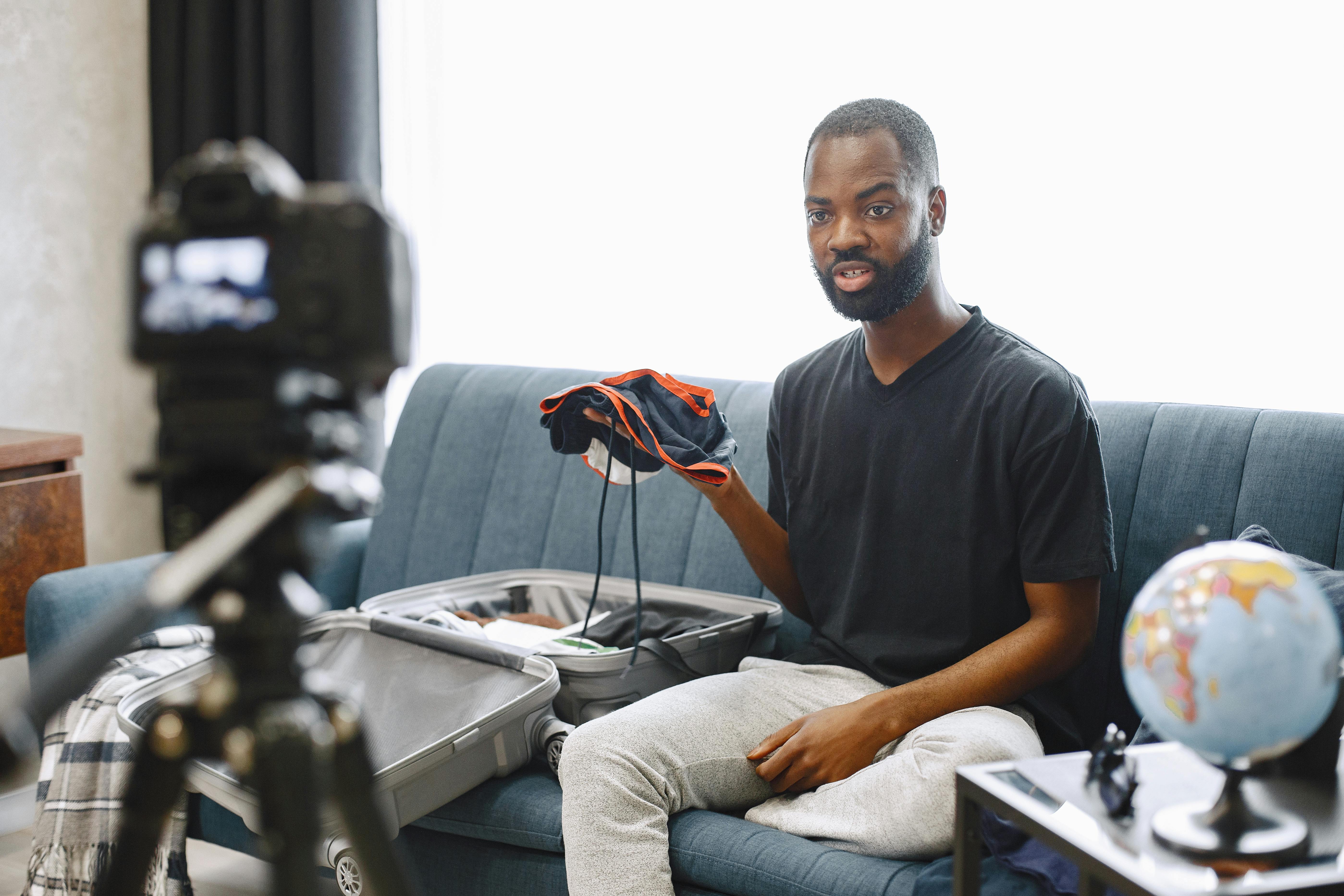
There's a version of YouTube sponsorship advice that lives entirely in theory: match your brand to a creator with the right audience, write a good brief, and results will follow. That version is incomplete.
The real lessons come from repetition — from seeing what happens when a brand insists on a rigid script versus when they give a creator room to breathe. From watching a product category explode on YouTube because one brand figured out the right integration style and every competitor scrambled to copy it. From noticing that the campaigns brands are proudest of are almost never the most expensive ones.
After running campaigns across hundreds of brands and thousands of individual sponsorships, certain patterns emerge with enough consistency that they've become guiding principles. This isn't a data report — it's accumulated judgment. Here's what actually separates YouTube sponsorships that work from ones that don't.
The single most common cause of underperforming sponsorships is a mismatch between the creator and the brand. Not a subtle mismatch — an obvious one that somehow got overlooked in the pursuit of scale or a good rate.
We've seen brands in the B2B space invest heavily in entertainment creators because the subscriber counts were impressive and the CPMs looked favorable. We've seen consumer brands go after finance channels because the audience "has money." In almost every case, the audience detects the incongruity and the sponsorship falls flat.
Fit operates on multiple levels. There's the obvious demographic fit — is this creator's audience the brand's target customer? But there's also tonal fit: does this brand belong in the context of this creator's content? A luxury brand in a budget-conscious channel sends mixed signals. A complex B2B product in a fast-paced entertainment format doesn't give the message time to land.
The creators who perform best for a given brand are almost always the ones where a viewer could plausibly imagine the creator actually using the product. When that's true, the recommendation feels earned rather than transactional.
There's a natural temptation to buy mentions — they're cheaper, you can do more of them, and the logic of "more touchpoints" sounds right. But when we look at which sponsorship formats consistently drive the strongest results for brands, dedicated integrations win.
A dedicated segment gives the creator space to actually explain the product: what it does, why they use it, what problem it solves. A 60-90 second integration can tell a story. A 15-second mention can barely deliver a brand name and a URL.
There are contexts where mentions make sense — for brand awareness across a high volume of creators, for example, or as a supplement to a dedicated integration in the same video. But brands that rely on mentions as their primary format tend to find that they're buying reach without meaningful message delivery.
The exception is when a mention is genuinely organic — when a creator brings up your product unprompted because they genuinely use it and love it. That kind of mention, even brief, carries trust weight that a scripted dedicated integration can't fully replicate. Building toward that kind of relationship with a creator is one of the highest-value things a brand can do.
Brands that write good creative briefs consistently outperform brands that don't — not because creators follow the brief word for word, but because a good brief sets the creator up to succeed.
What makes a brief good? It answers the questions a creator actually needs answered: What does this product do in plain language? Who is it for? What's the single most compelling reason someone would try it? What's the offer or CTA? What's off-limits (claims, comparisons, topics)?
What makes a brief bad? Length. Over-specification. Trying to pre-write the script. We've seen briefs that included exact sentences the creator was expected to deliver verbatim — and we've seen those integrations perform poorly almost every time, because they sound exactly like what they are: someone else's words in the creator's mouth.
The best briefs trust the creator. They provide enough context to enable authenticity, not enough rope to strangle it. Creators know their audiences. They know the tone and pacing that keeps viewers engaged. When brands get out of the way and let that expertise work, it shows.
Mid-roll sponsorships — typically placed between 25% and 75% of the way through a video — consistently outperform pre-roll and end-card placements for most campaign objectives. The reason is simple: mid-roll audiences are engaged. They chose to keep watching past the opening. They're invested in the content. When a creator pauses to deliver a sponsor message to that audience, the attention quality is meaningfully higher than someone who clicked and immediately encountered a pre-roll.
End-cards and post-roll placements tend to catch viewers who are already mentally moving on. Pre-roll can work for awareness, but the skip behavior on YouTube means message delivery rates are lower than the placement might suggest.
When negotiating sponsorships, mid-roll placement is worth asking about explicitly — not all packages default to it, and the difference in performance can be significant.
We've consistently observed that brands running ongoing partnerships with creators outperform brands running one-off campaigns with the same budget. Part of this is pure repetition: audiences who hear about a product across multiple videos develop higher recall and consideration than those who hear about it once.
But there's something more nuanced at work too. Creators who work with a brand over time develop genuine familiarity with the product. Their integrations get better — more specific, more personal, more persuasive — because they actually know what they're talking about. That quality improvement compounds across the partnership.
There's also a trust signal to the audience. When a creator keeps mentioning a brand video after video, it reads as genuine endorsement rather than a one-time paid placement. Viewers are sophisticated; they know what sponsorships are. A creator who keeps coming back to the same brand lends that brand a kind of social proof that a single integration can't manufacture.
After a sponsored video goes live, most brands track their promo code redemptions and move on. The ones who dig into the comment section often find something valuable: unfiltered audience reaction to both the creator and the brand.
Comments tell you things the numbers don't. They tell you whether viewers found the integration annoying or genuine. They tell you whether the product resonated or confused. They tell you if the offer was compelling. We've seen brands discover from comment analysis that their CTA was poorly worded, that their product was being misunderstood, or that a specific use case the creator mentioned was driving disproportionate interest — insights that reshaped their entire campaign approach.
Good agencies read the comments. If yours doesn't, start doing it yourself.
A few patterns reliably underperform, regardless of budget or brand size:
If there's one thing that ties all of these lessons together, it's this: YouTube sponsorships work best when they're treated as relationships, not transactions. The brands that win long-term are the ones that invest in understanding creators, give them the tools and trust to do their best work, measure results with patience, and build on what they learn.
That orientation — partnership over placement — is what separates the brands with compounding YouTube programs from the ones perpetually starting over.
Want to understand how we approach sponsorship strategy and execution? Read about ThoughtLeaders' YouTube sponsorship methodology, or use the sponsorship calculator to start thinking about what a program might look like for your brand.
If you're ready to put these principles to work, get in touch with the ThoughtLeaders team. We'd be glad to talk through where your current approach is strong and where the biggest opportunities for improvement are.


